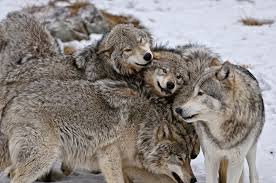
When we hear a wolf howl in the dark, it’s easy to feel a sense of mystery or fear. But the wolf is much more than just a predator of legend. Wolves are highly complex, social, and intelligent creatures that rely on deep cooperation to survive. They are the architects of the wilderness, and their family dynamics are as intricate as our own. Let’s explore what makes the wolf one of nature’s smartest survivors.
The Power of the Pack
The intelligence of a wolf is not measured by the individual, but by the strength of the group. A wolf pack is a tight-knit family unit with clear communication and social roles.
- Complex Communication: Wolves use a wide variety of signals, including body language, scent marking, and various types of howls, to coordinate hunting and protect their territory.
- Problem-Solving: When hunting large prey, wolves use strategic planning, often flanking their targets and working together to maximize their chances of success with minimum energy loss.
Are Wolves Smarter Than Dogs?
Interestingly, studies suggest that wolves may actually outperform dogs in certain problem-solving tasks. Because they have had to rely on their own wits to survive in the wild for thousands of years, they often show more independence and persistence when facing a challenge than their domesticated cousins.
5 Fascinating Facts About Wolf Intelligence
- Lifetime Bonds: Wolves often form lifelong bonds with their partners and are highly protective of their pack members.
- Tactical Hunting: They don’t just chase prey; they analyze the herd’s behavior and wait for the perfect moment to strike.
- High Adaptability: From the frozen Arctic to the dense forests of Europe, wolves have adapted their behavior to thrive in vastly different environments.
- Learning from Elders: Younger wolves learn essential survival skills, such as tracking and hunting strategies, by observing and imitating the adults in their pack.
- The “Great Howl”: Howling is not just for the moon! It’s a sophisticated tool used to assemble the pack, warn rivals, or track members who have wandered off.
Conclusion: Guardians of the Ecosystem
Wolves play a vital role in maintaining the health of our forests and grasslands by keeping prey populations in check. Understanding their intelligence allows us to move past old myths and appreciate them for what they truly are: loyal, intelligent, and essential members of the natural world.
What do you think? Do you find the intelligence of a wolf pack fascinating? Have you ever heard a wolf howl in the wild? Tell us your stories in the comments below!